By the Car Subscriptions Editorial Team · Updated 8 October 2026
Why people subscribe to an EV
Electric cars change the routine of driving more than they change the driving itself. A few months with one answers questions that a test drive cannot, such as how often you need a public charger and how range behaves in winter.
It can also help households deciding whether an electric car can replace a second petrol or diesel car, or businesses testing whether drivers can manage their daily mileage on electric power.
Because the provider owns the car, you are not exposed to changes in used EV values, and you can move to a newer model when your agreement allows rather than when you have paid off finance.
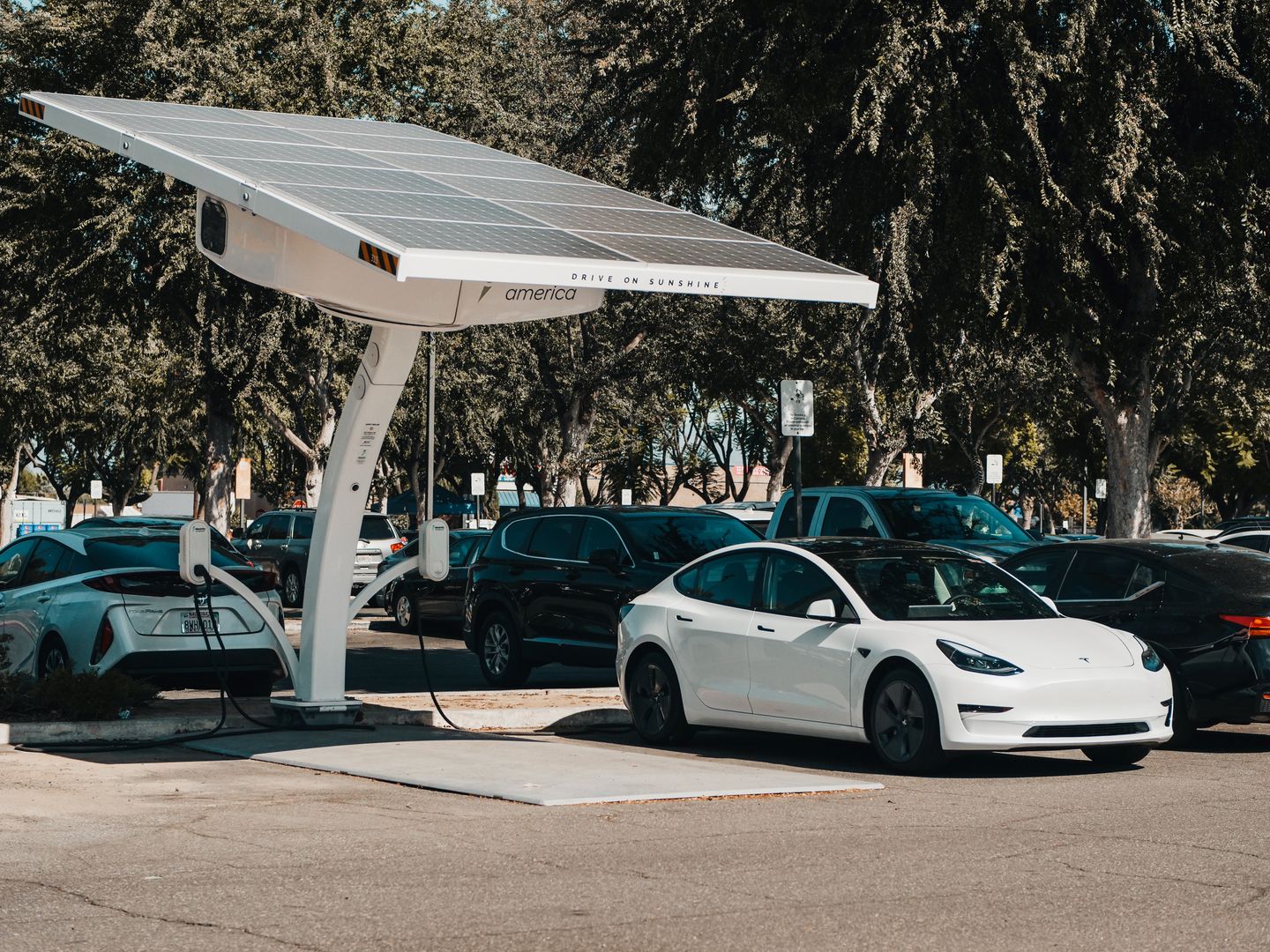
Charging at home
Charging overnight on a home wallbox is usually the cheapest and most convenient option, but it needs off-street parking and the homeowner's agreement. Installing a charger is a permanent change to the property, so tenants should ask their landlord first.
For a short subscription, a dedicated charger may not be worth fitting. Some drivers manage with a standard domestic socket for occasional top-ups, although this is slow, and the cable supplied with the car should be used only as the manufacturer advises. Ask the provider which cables come with the car.
Public charging
If you cannot charge at home, check the public network around where you live and work before you sign. Rapid chargers are quicker but usually more expensive per kWh than home electricity. Some UK subscription packages include a public charging card or discounts with a charging network, which can help for drivers without a driveway.
Range in the real world
Official range figures are produced in standardised tests, so they are useful for comparing cars but not as a promise. Real-world range is typically lower, especially at motorway speeds and in cold weather when the battery and cabin need heating. A sensible approach is to compare your longest regular journey with a conservative estimate rather than the headline figure.
For longer trips, plan charging stops in advance using the car's own route planner or a charging app, and allow extra time at busy periods. Charging speed also varies by car, so a rapid charger will not always deliver its full rated power.
Running costs and the new pay-per-mile charge
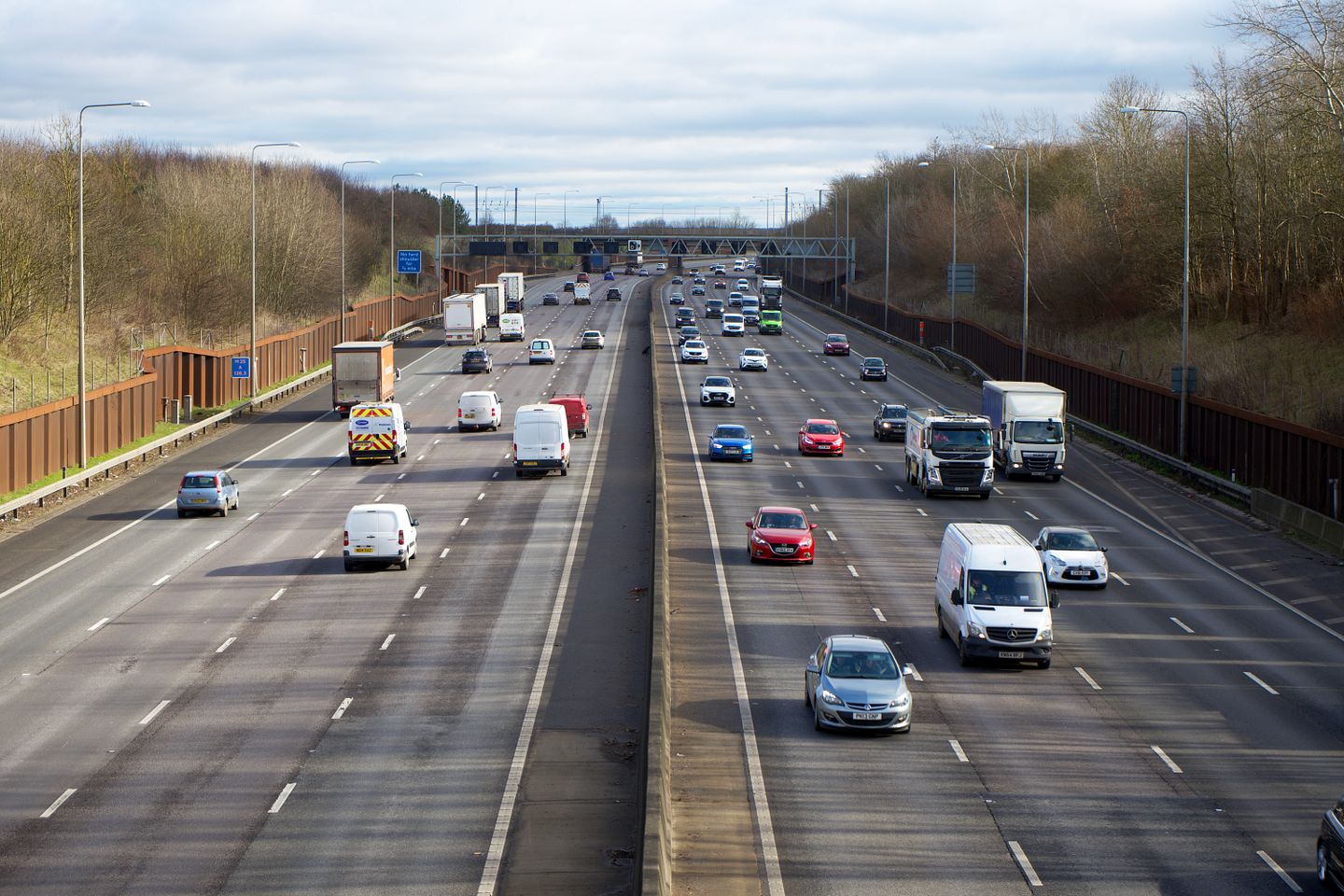
Electric cars avoid fuel costs but not all motoring taxes. The government has confirmed an Electric Vehicle Excise Duty, known as eVED, from 1 April 2028. Under the published policy, battery electric cars will pay 3p per mile and plug-in hybrids 1.5p per mile, with rates rising in line with CPI inflation from 2029 to 2030. It will be collected by the DVLA alongside vehicle excise duty.
The government has said that arrangements for leased and rented vehicles are being designed. How subscription providers handle eVED, for example whether it is built into the monthly fee, is not yet known. For the latest position see gov.uk/government/publications/electric-vehicle-excise-duty-eved.
Benefit-in-kind for business users
If an employer provides an electric car that an employee can use privately, the employee pays tax on a benefit-in-kind value worked out from the car's list price and an appropriate percentage. For zero-emission cars that percentage is 3% in 2025 to 2026, 4% in 2026 to 2027 and 5% in 2027 to 2028, with 7% for 2028 to 2029 and 9% for 2029 to 2030 announced at the Autumn Budget 2024.
These rates are much lower than for most petrol and diesel cars, which is why electric cars are popular for company car and salary sacrifice schemes. See our salary sacrifice guide for sources, and check HMRC guidance or take advice for your own situation.
What to check before you subscribe
A few EV-specific questions are worth adding to the usual checklist.
- Which charging cables come with the car
- Whether a public charging card or discount is included
- The battery charge level expected at return
- How the provider treats charging-related breakdowns, such as running out of charge
- Whether winter tyres or other seasonal items are available
Frequently asked questions
Do I need a home charger to subscribe to an EV?
No, but it makes ownership-free EV driving much easier and usually cheaper. Without one, check public charging near home and work before signing.
Will I pay eVED on a subscription car?
eVED starts on 1 April 2028. The government has said special arrangements for leasing and rental are being designed, so it is not yet clear how providers will pass the cost on. Check gov.uk for updates.
Are EV subscriptions more expensive than petrol ones?
Monthly prices depend on the model and provider rather than the fuel type alone. Running costs can be lower with home charging, so compare the total cost including energy.
What happens if I run out of charge?
Most breakdown services will recover an EV to the nearest charger, but terms vary. Check the breakdown cover supplied with the car.
Can I subscribe to a plug-in hybrid instead?
Some providers offer plug-in hybrids. Their benefit-in-kind treatment depends on CO2 emissions and electric range, and they will be charged 1.5p per mile under eVED from April 2028.
Is an EV subscription a good way to test before buying?
It can be. A few months covers different weather and journey types, which gives a fuller picture than a short test drive.